Criticisms
Writings 2
2026.07.14
Yungeun Museum of Contemporary Art
They say that salmons spend their lives in the vast ocean, yet when the time comes to spawn, they return to the very maternal rivers where they first hatched and departed. After laying their eggs, they exhaust their entire being for the next generation, ultimately facing death. It is said that only about half of those newly hatched fry manage to survive the journey back to the ocean. What is it that compels them to undertake a voyage defined by such mortal peril? Where was this primal nature nurtured—this instinct driving them to brave the immense and treacherous seas, knowing the fatal cost?
Furthermore, while Pacific salmons perish during this homeward journey—succumbing to exhaustion from fighting turbulent currents or falling prey to birds and predators—studies reveal a different fate for Atlantic salmons. The latter do not die after spawning; instead, they repeatedly journey back and forth to their maternal rivers, continuing to spawn and living for over five years. This discrepancy is said to be a direct consequence of the relationship between the fierce ocean waves they must endure and the sheer, exhausting resistance they encounter when swimming against the current to return home. Contemplating this instinct for maternal return, I reflect upon my own destiny—the inescapable path that ultimately forced me to return to Korea.
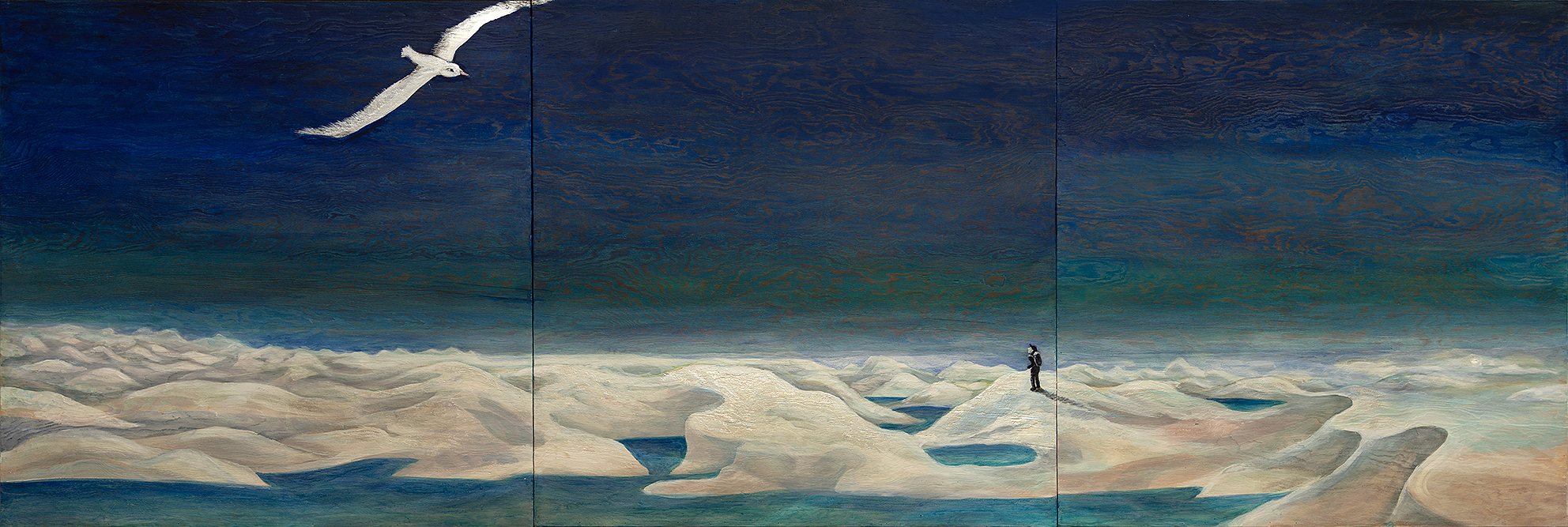
엘바트로스와의 만남 / The Encounter with Albatross(2025)
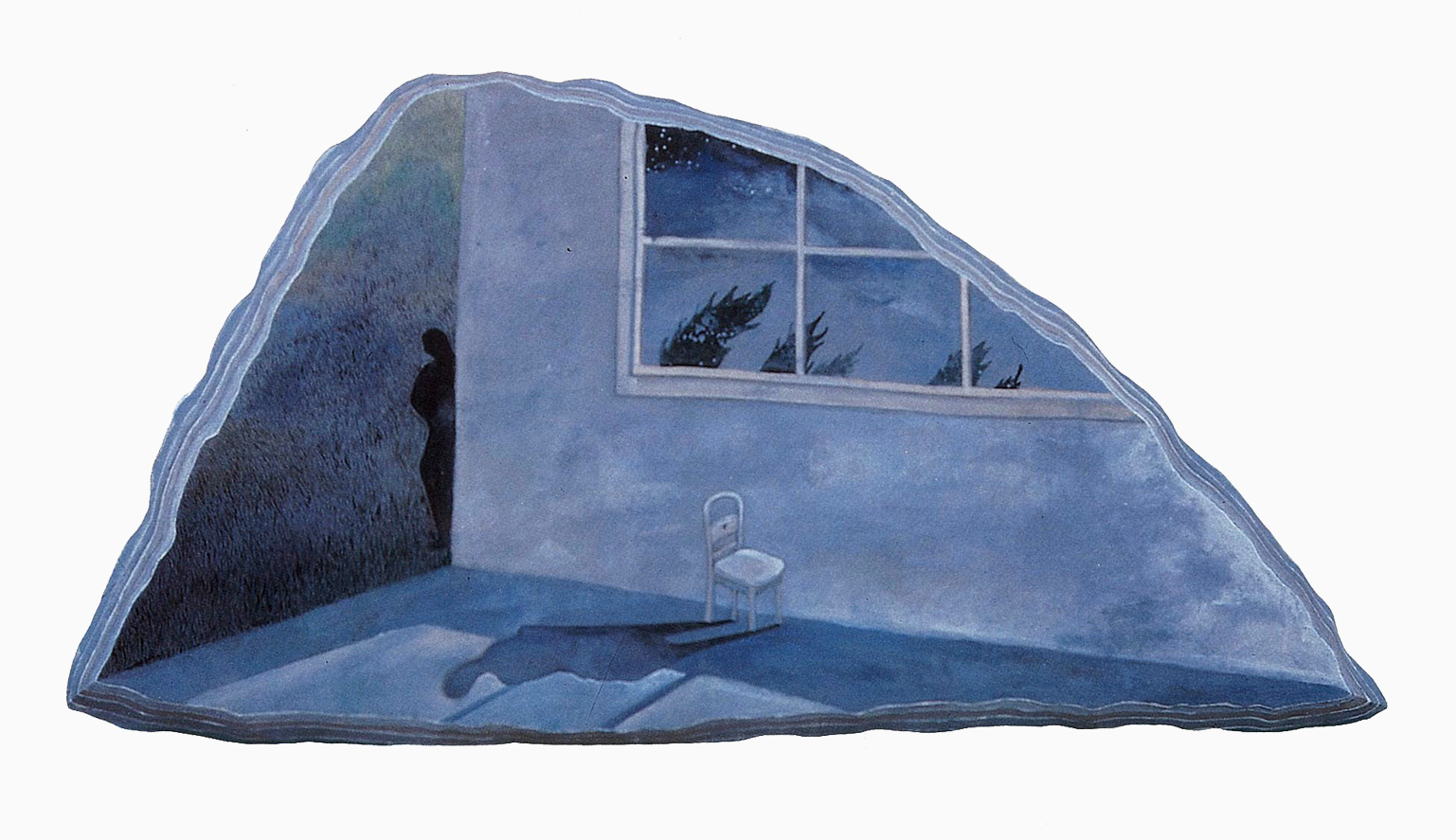
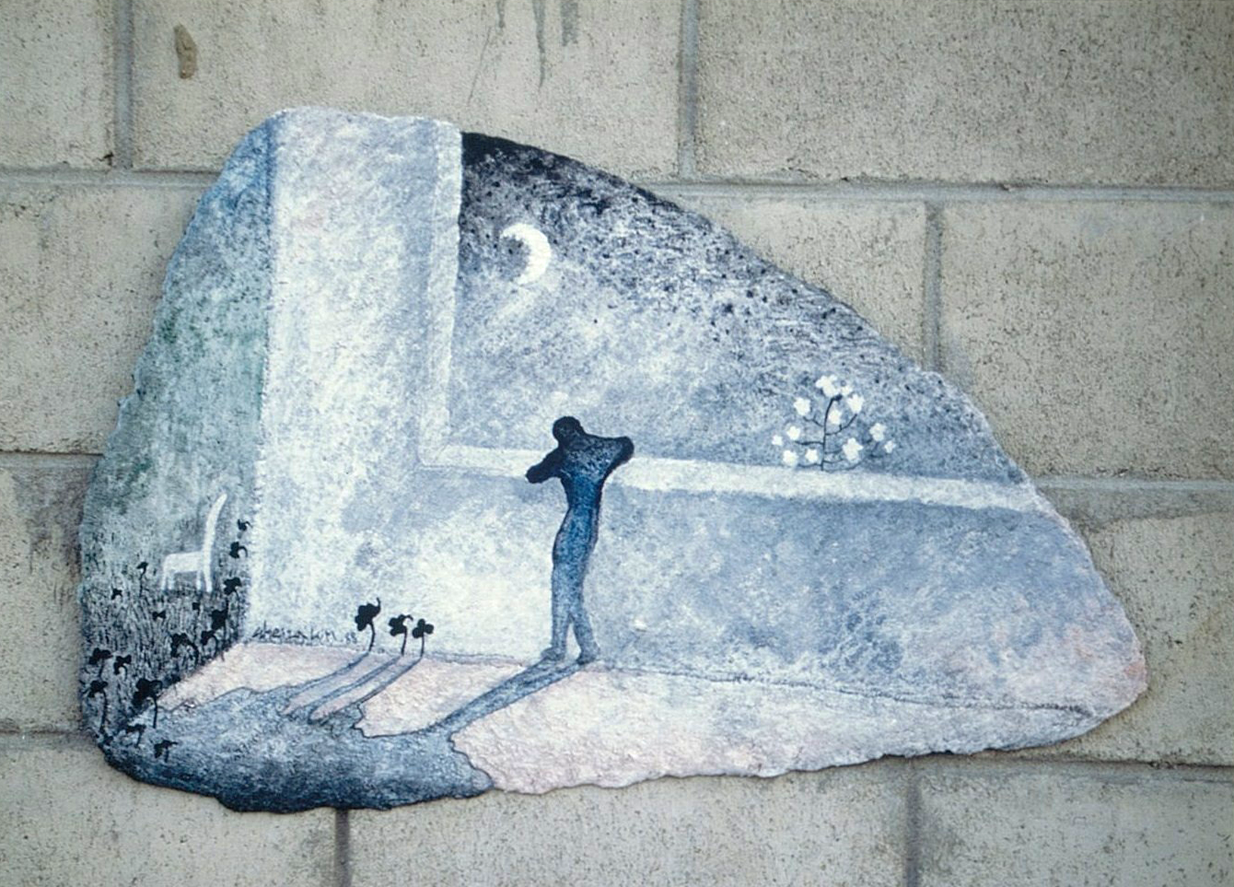
Unlike human beings, salmons would not purposely plot such a grueling pilgrimage to seek their existential nature—the question of who they truly are. Yet, I departed on my own journey, having resolved to stand before the mirror of Western culture in a bid to discover my identity, which seemed to offer no answers. Only when I, a stranger to myself here, stood in that unfamiliar place, could I finally discern the differences and similarities. Moreover, when standing on the shores of isolation, confronting the wind and the darkness of night, I learned more poignantly from the moon and the stars what life truly means.
Closing the chapter on my twenty-five years of life in Long Island, I returned to my motherland to settle down, carrying the seeds of creation with me. Coming to this place called Gwangju in Gyeonggi-do—a land that is Korea, yet a rustic, unfamiliar environment where I have no prior experience with countryside living—feels precisely like a single salmon carrying the seeds of life, inevitably obeying its primal instinct for maternal return.
References
Writings